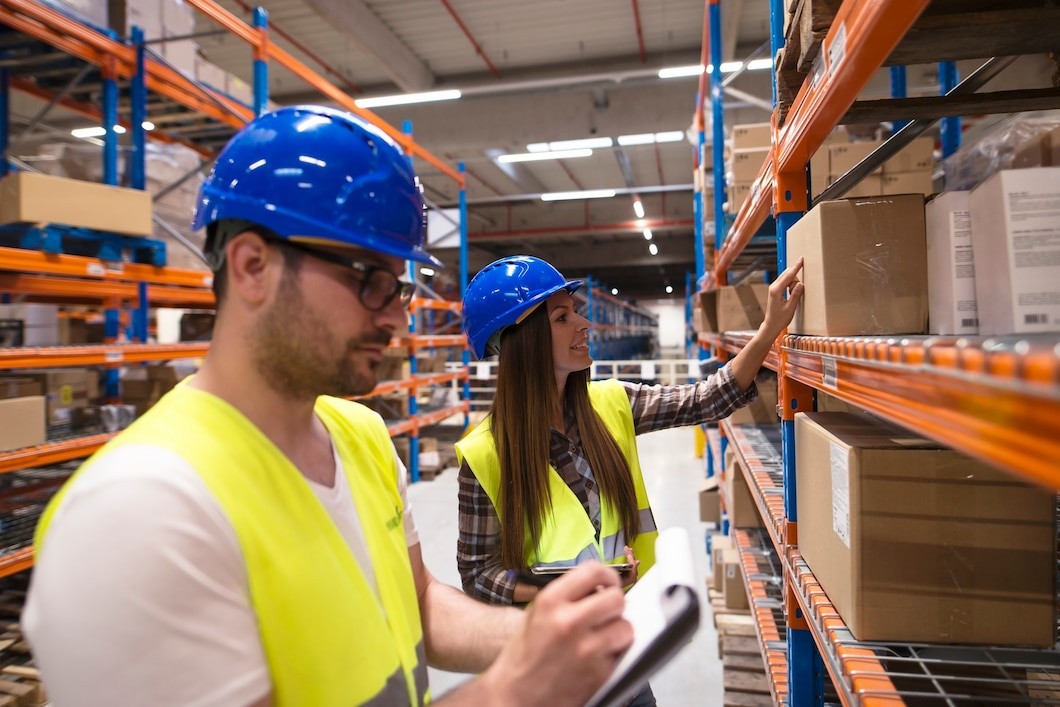
Warehouse racking systems look like solid steel giants. They are designed to hold thousands of pounds safely. Yet, racking collapses still happen. The results are often catastrophic. They cause severe injuries, massive inventory loss, and complete operational shutdown. The surprise for many facility managers is that failures are not limited to poorly maintained operations. Even facilities with good safety records and regular cleaning can experience problems. The reasons are subtle. They stem from a series of small, compounding errors that slowly degrade the system’s structural integrity. Racking failure is rarely caused by one big event. It usually results from a chain of seemingly minor compromises. We see this issue often when reviewing client operations. Finding the root cause requires specialized inspection. If you are searching for Racking Assessment Services near me, you likely recognize the hidden risk.
Small Hits Add Up Even When Care Seems High
A rack rarely fails from one huge crash. The process often starts with small hits from pallets or lift trucks. These hits look harmless. A driver scrapes a column. A pallet bumps a beam. A fork prong dents a post. No one panics because the rack stays upright. The team keeps moving. The shift continues.
Yet steel bends in slow ways. A small dent changes how weight flows through the frame. A slight twist shifts stress toward one weak point. Over time, stress grows in that point. One more minor hit may push it past its limit. The rack then fails under a load that used to feel normal.
Many sites do not track these hits. Busy shifts keep focus on speed. Damaged guards stay in place. Bent posts blend into the busy look of a warehouse. Over the years, these tiny hits create a risk that no one expects. We show clients how these small marks often predict future failure long before any major sign appears.
Why Load Assumptions Become Silent Risks
A rack is designed for a set load. Yet loads change without warning. Teams add new goods with higher weight. A supplier sends larger pallets. Seasonal peaks add pressure. A team stacks pallets higher because space feels tight. These changes happen often. They feel harmless. They solve short term needs. Yet every change shifts stress on the rack.
Load labels on racks fade or fall. New staff may not know the true limits. Forklift drivers may place heavy goods on the wrong level in a rush. A single level that carries too much weight places stress on the whole structure. Over time, the rack weakens without showing giant signs.
We help clients map weight levels with fresh tools. The safe load rules must stay clear and updated. Without that care, weight creep slowly pushes racks toward failure. Many managers only see the risk after a near miss.
How Poor Layout Choices Create Rack Stress
Space shape has more power than many teams think. A narrow aisle forces forklifts to move tight and precise. A tight turn asks drivers to twist and tilt loads in awkward ways. A beam placed too close to a corner makes it easy for drivers to clip posts. These small layout choices feel normal because the site has used the same plan for years.
As flow grows, tight spaces cause more small hits. More hits mean more frame stress. A bad layout also slows lift trucks. Slow movement builds queue lines. Queue lines build pressure. Pressure leads to rushed movements. Rushed movements cause more contact with racks.
Many teams seek warehouse layout consulting without knowing that layout affects not just flow but rack health. We show how a small shift in aisle width or traffic path cuts risk fast. A safer layout lowers stress that racks carry each day.
Why Aging Hardware Fails Quietly Before Anyone Notices
Steel racks age slowly. Heat changes metal. Cold changes metal. Weight cycles create fatigue. Bolts loosen. Anchors slide slightly. Paint flakes. Rust forms in small spots. These changes begin quietly. A team may not notice because racks stand tall for years. Racks do not scream for help. They fail in silence until they reach a breaking point.
Older racks hold a special risk when the site changes its flow. New forklifts weigh more. New pallets hold more goods. Teams move faster than before. A rack built for loads set years ago faces new stress it never expected. Many leaders do not link new flow with old hardware. The result is a slow shift to risk.
We show clients how to spot early signs. Small rust, loose anchors, or bent braces show early weakness. These signs can guide fast repairs before a failure takes place.
How Growth in Volume Creates New Strain on Racks
Growth feels great for a company. More orders. More goods. More flow. Yet growth often pushes racks past their safe limit. Staff pick faster. Forklift traffic rises. More pallets arrive with less spacing. Rush builds stress. Rush creates more small hits.
As volume grows, the layout must shift. Load labels must update. Rack inspection must grow. Many sites expand flow without updating these steps. The racks then face more stress than before. The failure risk grows with each busy season.
We help clients scale safety at the same pace as growth. A rack system that worked a year ago may need fresh support today. Growth must match safe storage rules or the system will fail.
Why Outsider Eyes Catch What Internal Teams Miss
Internal teams grow used to the look of the site. They see the racks every day. That comfort hides small flaws. A fresh eye sees flaws fast. When we perform Racking Assessment Services in Georgia or other regions, we often spot issues that teams pass daily without noticing.
It is not lack of care. It is human nature. Familiar sights fade from focus. A small lean looks normal. A dented post looks old but safe. A missing bolt blends into the metal. Fresh eyes reveal these issues fast.
We bring tools that measure stress points. We map rack lean. We track impact marks. We show clear signs that help teams protect their site.
The Non-Negotiable Need for Expert Assessment
Racking failure is almost always preventable. It requires moving beyond visual checks and implementing a routine, rigorous inspection process. You must assume there is hidden damage and actively look for it. This is why specialized inspection services are vital. JEC Consulting Services offers comprehensive Racking Assessment Services in Georgia and across the country. We use specialized tools to measure deflections, quantify damage, and verify that actual loads comply with engineered capacity. We identify the cumulative damage and missing components that pose high risk. Our goal is to provide a clear, prioritized repair plan that eliminates the risk of catastrophic failure. We empower you to turn a potentially deadly structure back into a safe, efficient storage system.


