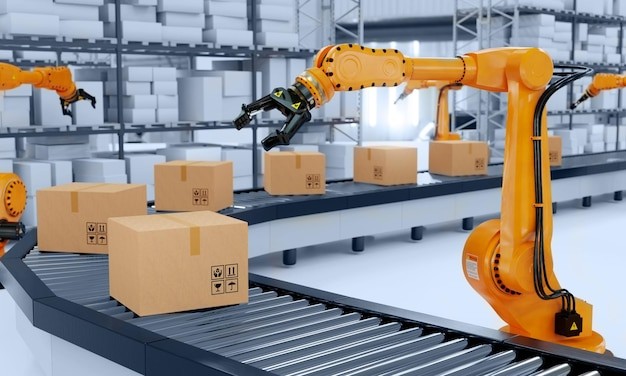
Speed and order accuracy define success in today’s operations. Warehouses and factory floors must move goods without delay to stay competitive. Manual movement is slow. It creates bottlenecks. It drives up costs and increases errors. JEC Consulting Services works with operations facing these challenges by introducing modern material handling through Conveyor Automation Solutions. Conveyors become the constant, dependable highways of a facility, moving products, parts, and packages from one point to the next without fatigue and with high accuracy. With automation in place, simple belts and rollers are transformed into smart, essential tools that keep operations flowing.
The Invisible Backbone of Modern Logistics
Conveyors are everywhere goods are moved. They are not just long, flat belts. They are a complex system of belts, rollers, chains, and software. These systems manage the flow of material. They take items from receiving to storage. They bring goods from storage to packing stations. They carry finished boxes to shipping docks. Automated systems ensure items move at the right speed. They arrive at the exact location needed. This steady, reliable movement is the key to high-volume operations. It allows your human workers to focus on tasks that need their unique skills.
From Simple Belts to Smart Movement – More Than Just Transport
The technology behind conveyor systems has changed a lot. They were once simple transport methods. Now they are highly intelligent machines.
Modern conveyors do more than just carry items. They sequence them. They meter them. They merge them. They sort them. Take a tilt-tray sorter, for example. It handles thousands of items per hour. It sends each package to the correct chute based on the order data. This high-speed sorting is impossible to do manually. It is essential for e-commerce fulfillment. Belt and roller conveyors use smart controls. They know the size and weight of the item being moved. They adjust speed to keep a safe gap between products. This protects the goods and makes the flow smooth.
The entire conveyor network is run by powerful control systems. These systems talk directly to your Warehouse Management System (WMS). The WMS tells the conveyor where each item needs to go. The conveyor network executes the commands. This link between physical movement and digital data is very important. It ensures that the right item is always traveling to the right place. It makes every step of the process traceable.
Stopping Bottlenecks: How Automation Boosts Flow
Bottlenecks are where efficiency dies. They happen when one part of the process is slower than the others. Conveyor automation is designed to prevent these slowdowns.
Automated systems provide a constant flow rate. They do not get tired. They do not slow down for lunch breaks. They move items at a defined, steady pace for hours on end. This constant pace removes the human variability that causes backups. It smooths the entire operation. It ensures that downstream processes, like labeling or packing, always have work ready.
There are many types of automated conveyors, each with a specific job:
Accumulation Conveyors: These allow items to stop and pile up without touching. They prevent damage. They create a buffer for sudden stops.
Powered Roller Conveyors: These are often used for transporting totes and cartons. They are energy efficient. They are easy to control.
Overhead Trolley Conveyors: These are common in manufacturing. They move parts through painting or assembly processes. They save valuable floor space.
We use our experience to recommend the right type for your specific needs. Handling Conveyor Assessments are key to this. We make sure the system chosen fits the items you handle and the speed you need.
The Financial Case: More Savings Than Meets the Eye
Many companies look at the large cost of installing a conveyor system. They might miss the long-term financial benefits. The return on investment is often very strong.
Automation cuts labor costs. Instead of having people pushing carts or walking long distances, they focus on complex tasks. Fewer workers are needed for simple transport. It also lowers your energy use compared to running many small vehicles like forklifts. Conveyor systems today are often built to be energy efficient. They only run when an item is present.
A well-designed automated system allows for growth. When your order volume increases, the conveyor system can handle the extra load. It scales up easily. You do not need to hire a large number of new workers all at once. This ability to handle sudden growth is vital in the e-commerce economy. Our Supply Chain Assessment Services look at your growth plans. We make sure any automation we suggest can grow with you.
A System for Every Need
Conveyor automation is not just for huge distribution centers. It can be used by any company that moves materials repeatedly.
From Manufacturing to E-commerce Manufacturing: Conveyors move parts along assembly lines. They ensure that the right part arrives at the right workstation at the right time. This is called JIT or Just-In-Time delivery.
E-commerce: High-speed sorting and merging systems are essential here. They manage the high volume of small packages that must be sent out daily.
Warehousing: They move pallets and totes from inbound to outbound areas. They connect different zones within the facility efficiently.
The size of the system scales to fit the size of the business. You can automate just one busy area, or the entire facility. The key is finding the right application where the automation provides the most value.
Conclusion
Conveyor automation plays a critical role in modern material handling by creating consistent flow, reducing manual effort, and improving order accuracy. When these systems are designed and implemented correctly, they remove bottlenecks, support higher volumes, and align physical movement with digital control. This is where JEC Consulting Services adds value. Through detailed material handling and supply chain assessments, the focus remains on selecting and designing conveyor automation that fits the operation, the products being handled, and long-term growth plans. The result is not just automation for its own sake, but conveyor systems that deliver reliable performance and lasting operational stability.
Frequently Asked Questions (FAQs)
How long does it take to install a new conveyor system?
The time varies a lot. A small, simple addition might take weeks. A large, complex system for a whole distribution center can take many months from design to full operation. Proper planning is necessary to reduce downtime.
What are the main maintenance needs for automated conveyors?
Maintenance focuses on a few key areas. You must check belts for wear and tear. You need to grease bearings regularly. You must also check the sensors and control software to ensure they are communicating correctly. Preventive maintenance is key to keeping the system running smoothly.
Can automated conveyors handle different product sizes?
Yes. Many modern systems are very flexible. They use adjustable side guides and smart sensors. They can handle a mix of small envelopes, regular cartons, and even large, heavy items. The system must be designed for the range of sizes you handle.
Is conveyor automation only for very large companies?
No. While large companies use massive systems, small and medium-sized businesses benefit too. Automating a single busy packing line can reduce labor costs greatly. It improves accuracy enough to pay for the system quickly.
How do conveyors handle power outages?
Most automated systems have a way to stop safely during a power outage. They often have a battery backup for the control system. This ensures the products on the line do not crash into each other. When power returns, the system can usually restart without manual intervention.


